
Drs. B. S. Vaughan & Associates (Chiropractors)
Drs. B. S. Vaughan & Associates (Chiropractors)
Established in 1966 (55+ years in Hong Kong) • Located In Central • 4 registered chiropractors (HK) • Consultations in Cantonese, English & Mandarin • Internationally trained team (UK / Canada / Australia)
Established in 1966 • Located In Central • 4 registered chiropractors (HK) • Internationally trained team (UK / Canada / Australia)
Common Symptoms We Help With
Select your symptom to learn possible causes, what to expect, and which treatments may help.
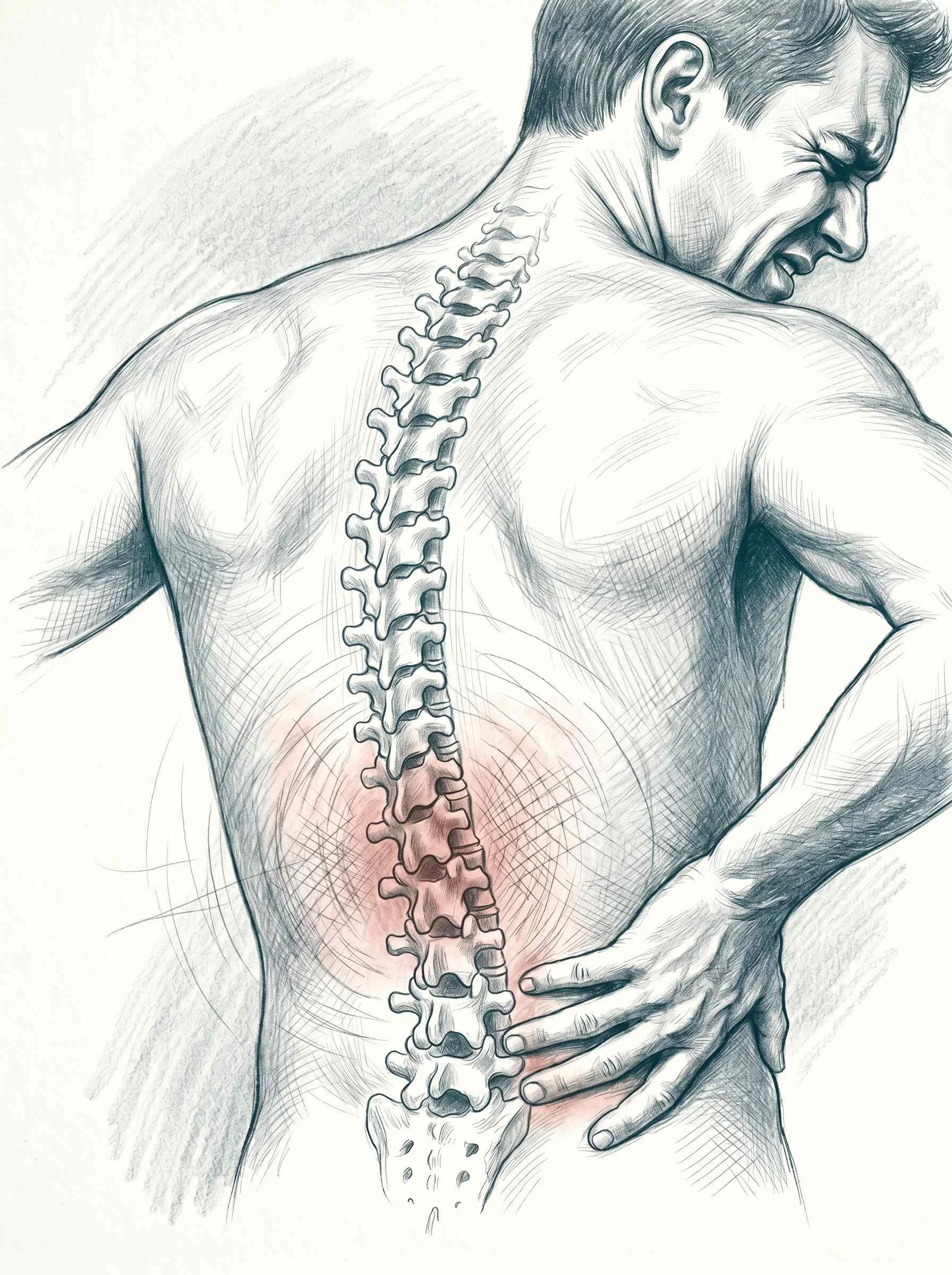
Back Pain
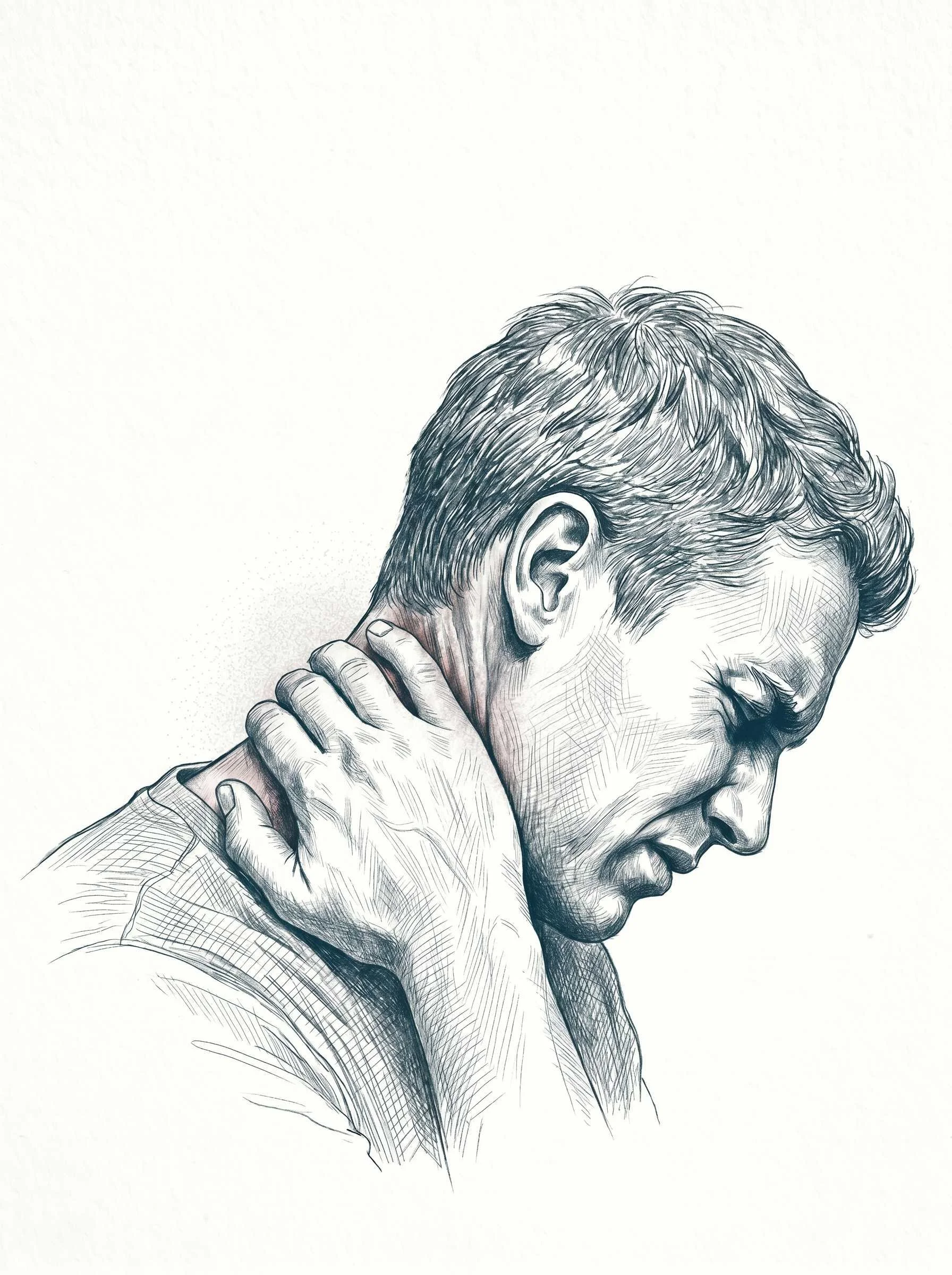
Neck Pain
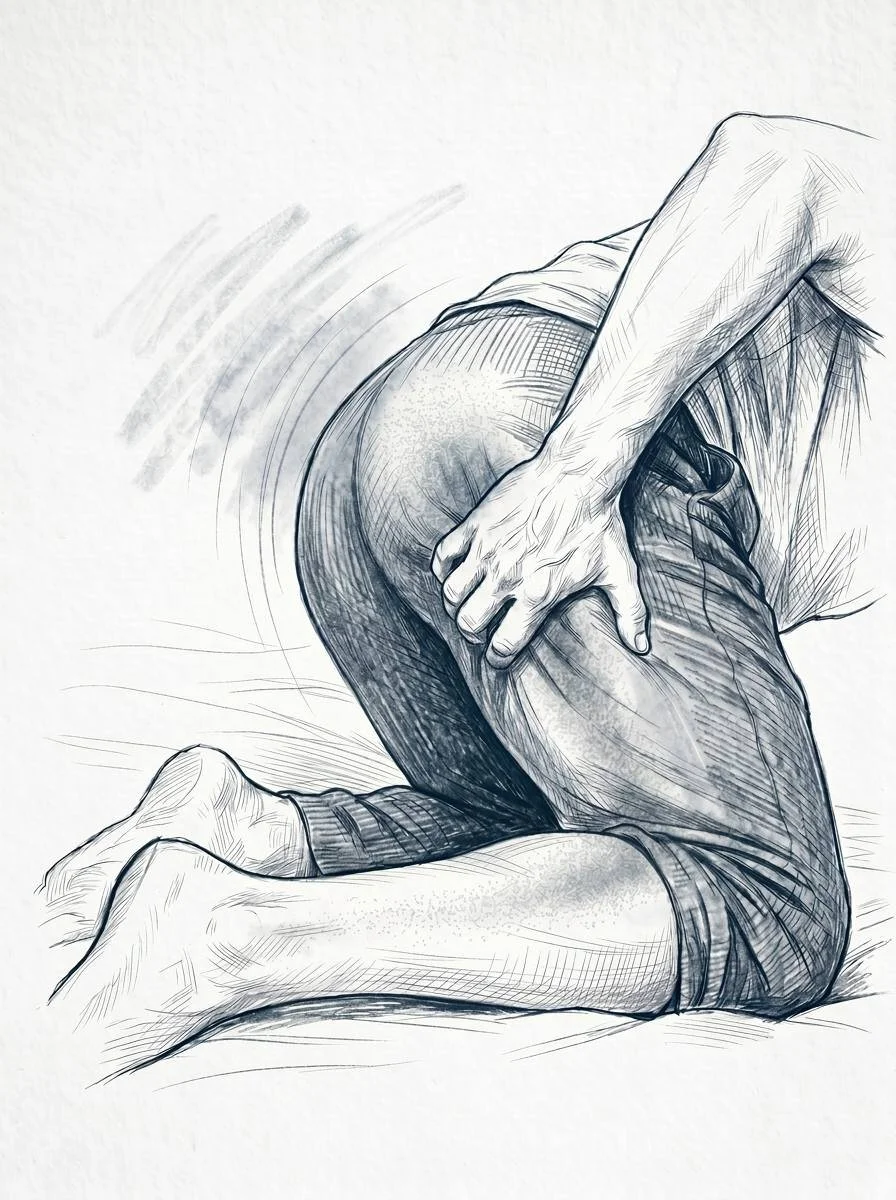
Sciatica / Leg Pain
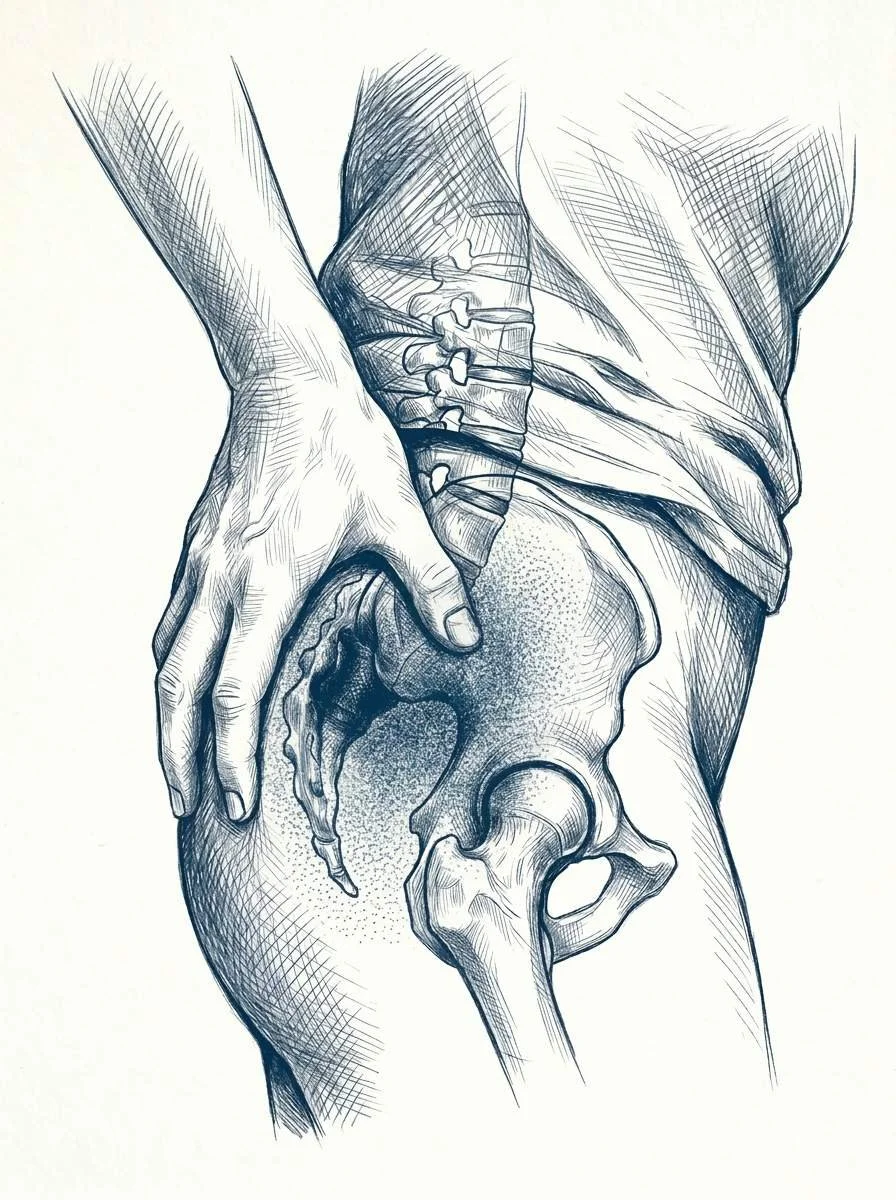
Hip Pain
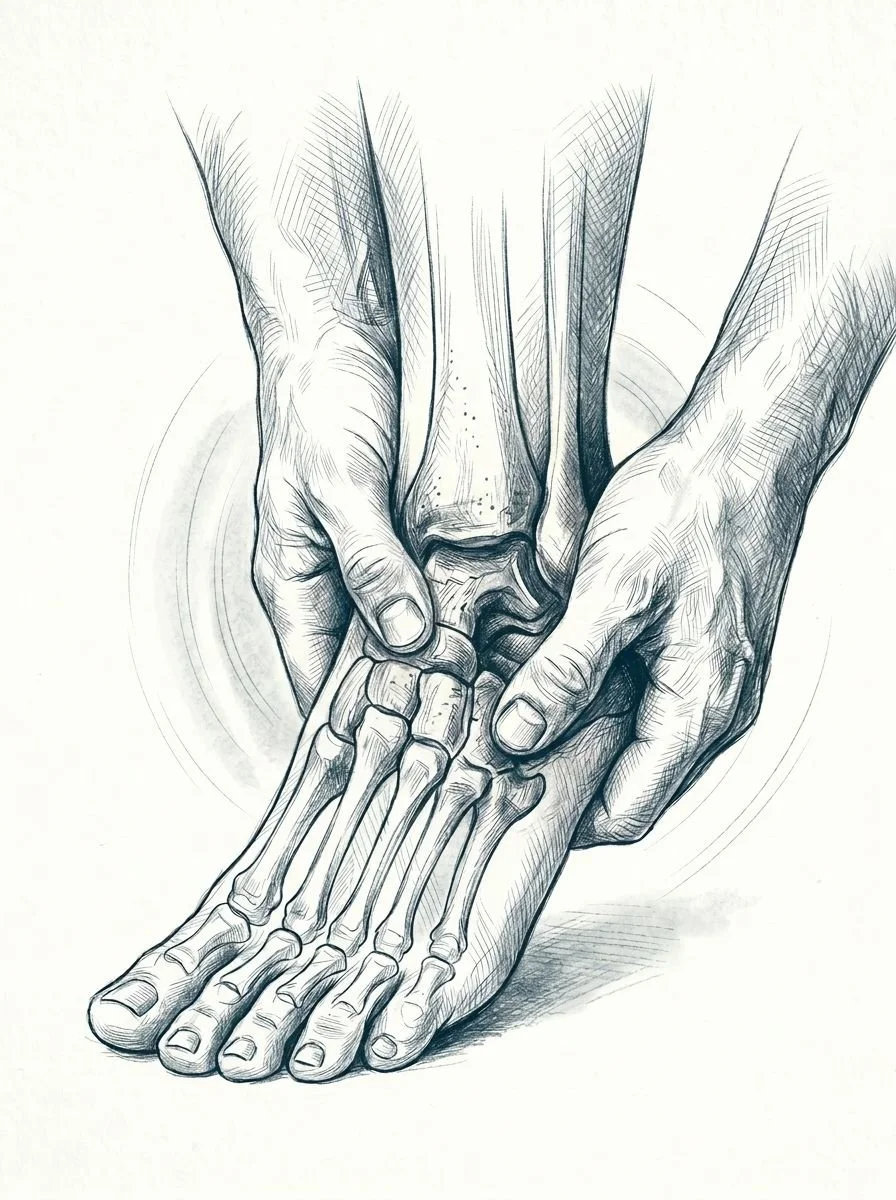
Foot & Ankle Pain
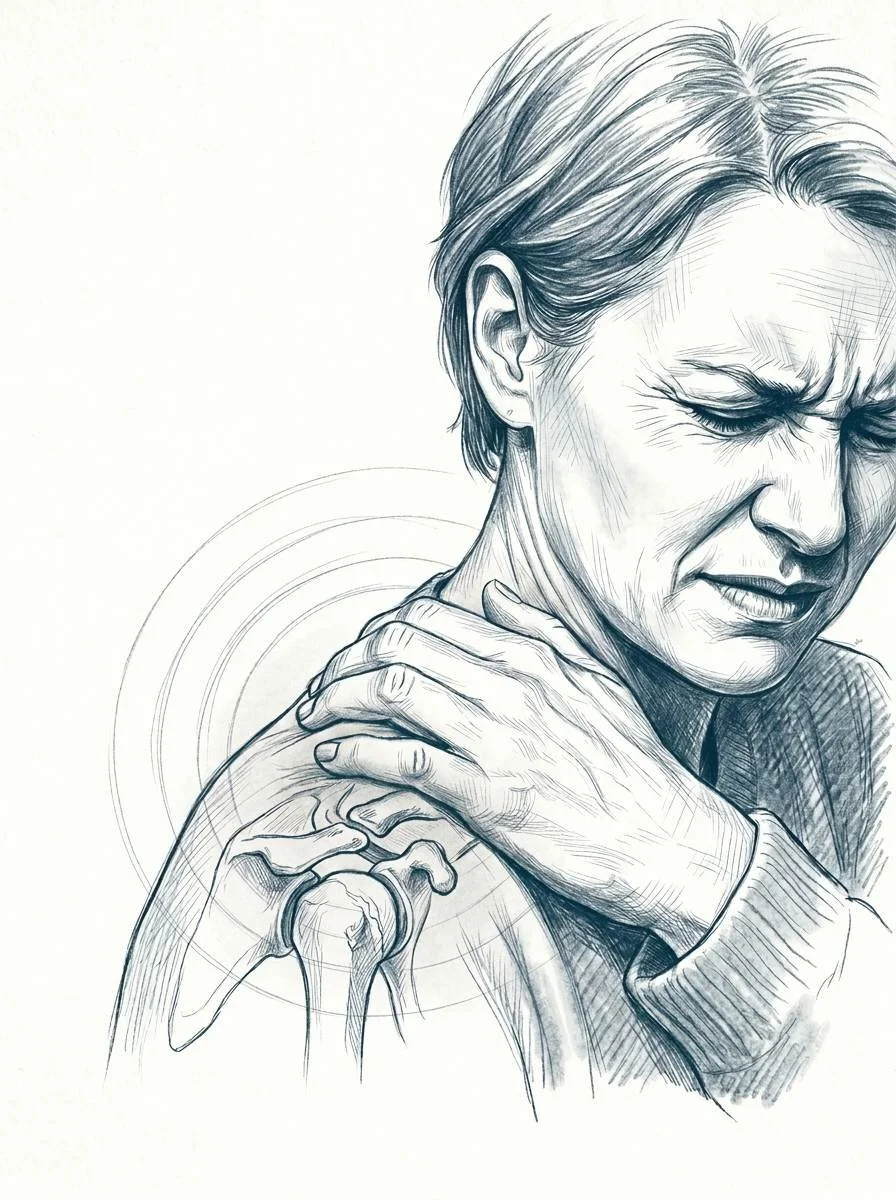
Shoulder Pain
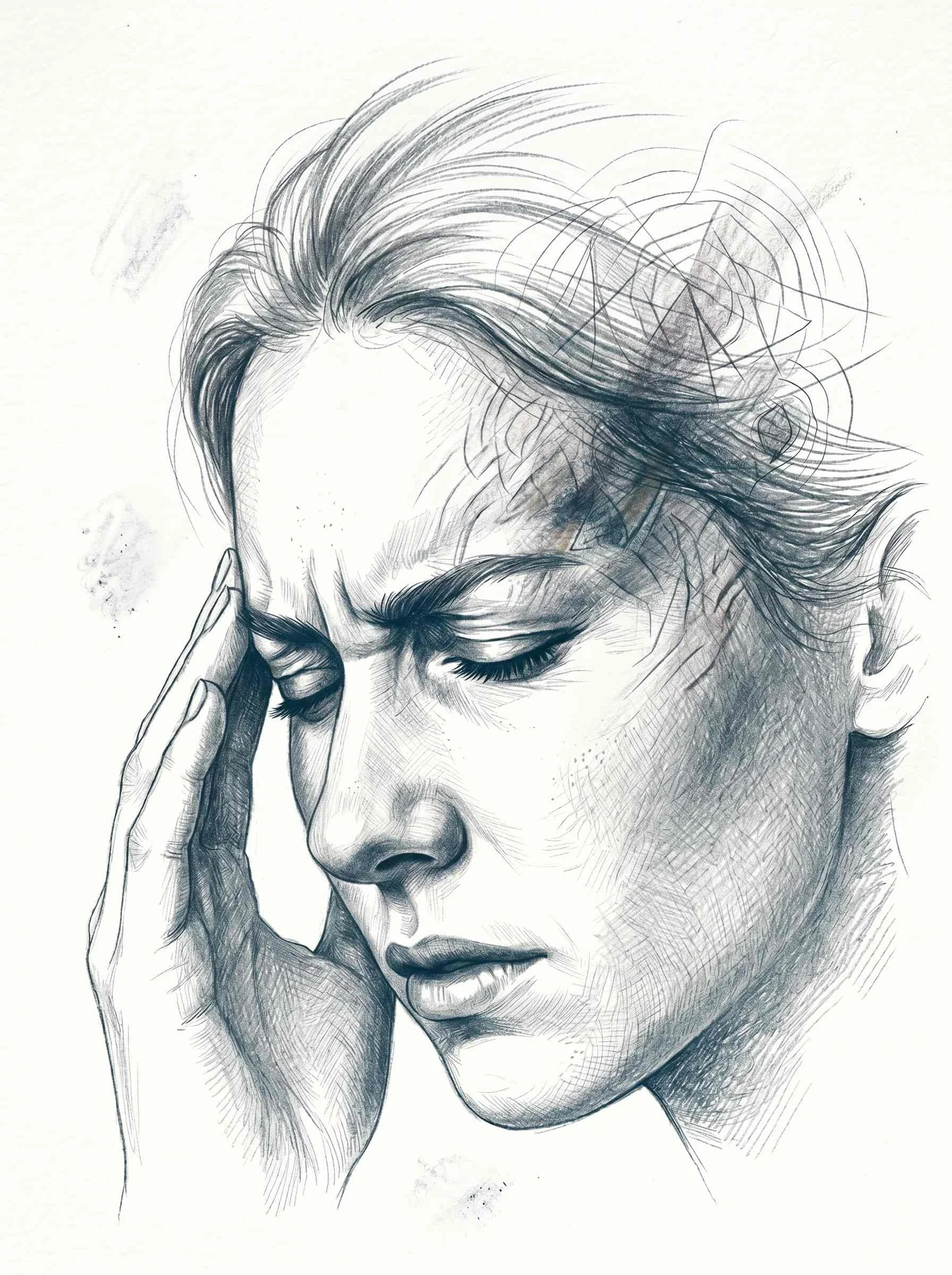
Headaches
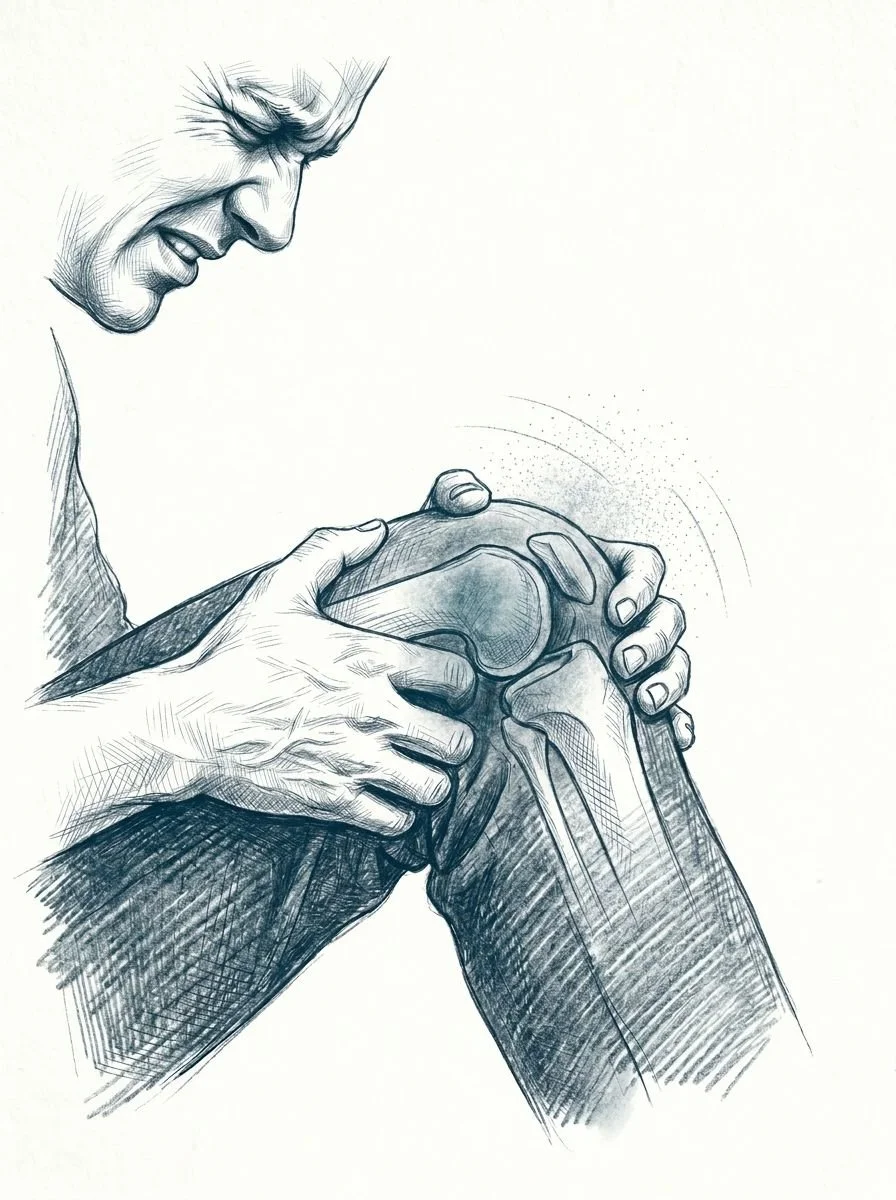
Knee Pain
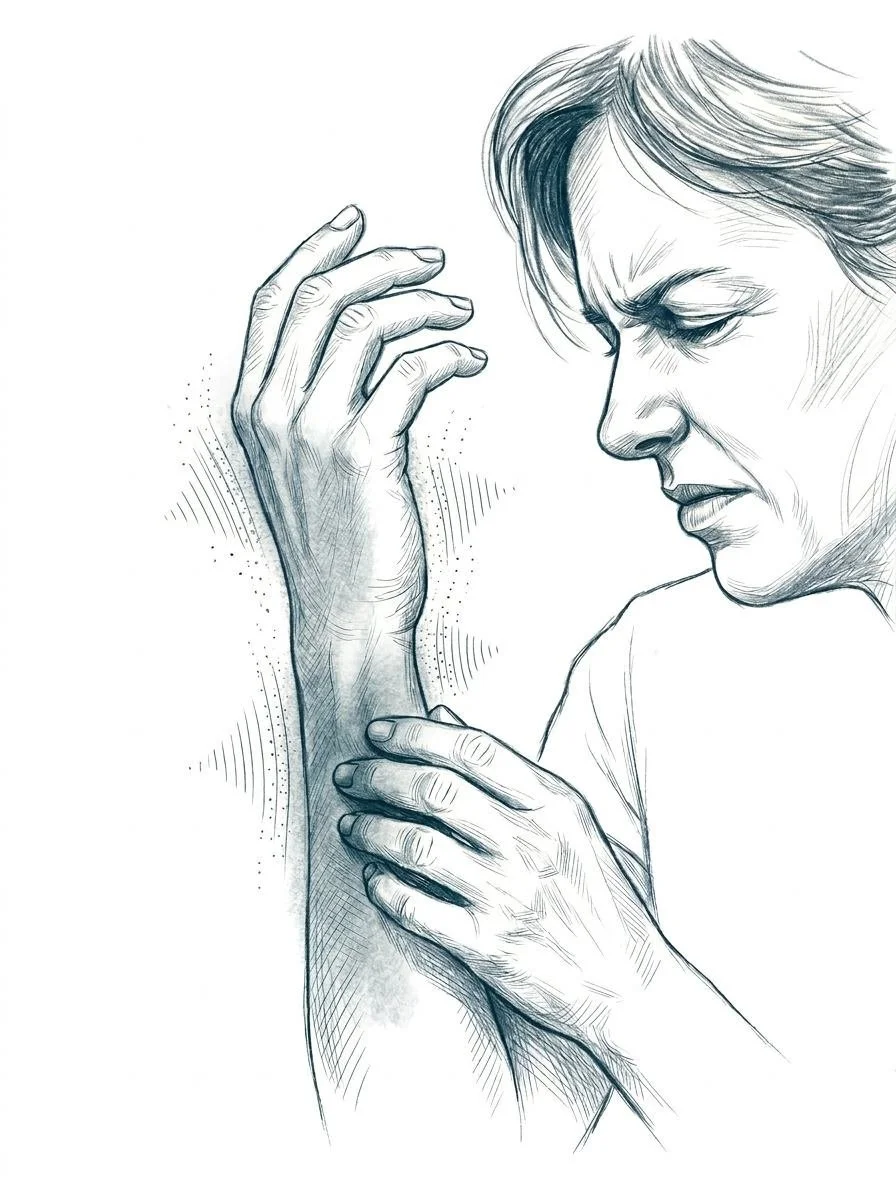
Numbness & Tingling
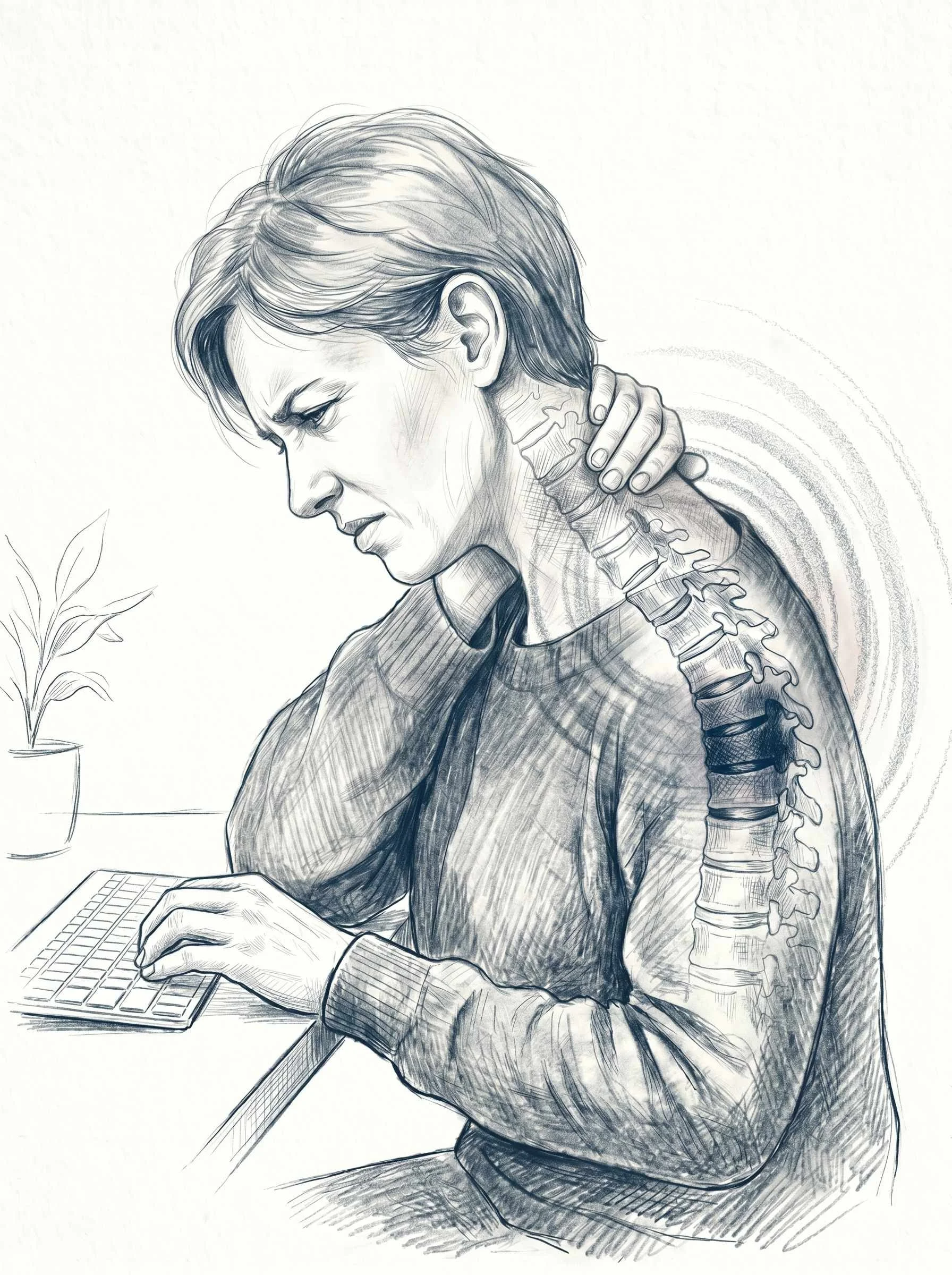
Posture & Desk-Related Discomfort
What to Expect at Your First Visit
At your first appointment, we begin by understanding your concerns and performing an initial assessment. If imaging is needed, we will explain why and advise on next steps. Care is planned based on your individual findings.
We’ll ask about where you feel pain or discomfort, what makes it better or worse, how it affects daily activities, and any relevant health history.

Discussion of your symptoms and goals
Initial assessment

A chiropractor will perform a basic examination, which may include posture and movement checks and other appropriate screening tests.
Imaging (X-ray) if needed

If an X-ray is recommended, we’ll explain the reason and how it may help inform care. (Not every case requires imaging.)
Explanation of findings

We’ll summarise what the assessment indicates and discuss suitable options for care, including expected next steps.
Personalised treatment

If chiropractic care is appropriate, treatment may begin at the first visit and is tailored to the individual.
Care plan and home guidance

Where appropriate, we’ll outline a plan for follow-up visits and provide advice such as activity guidance or exercises.
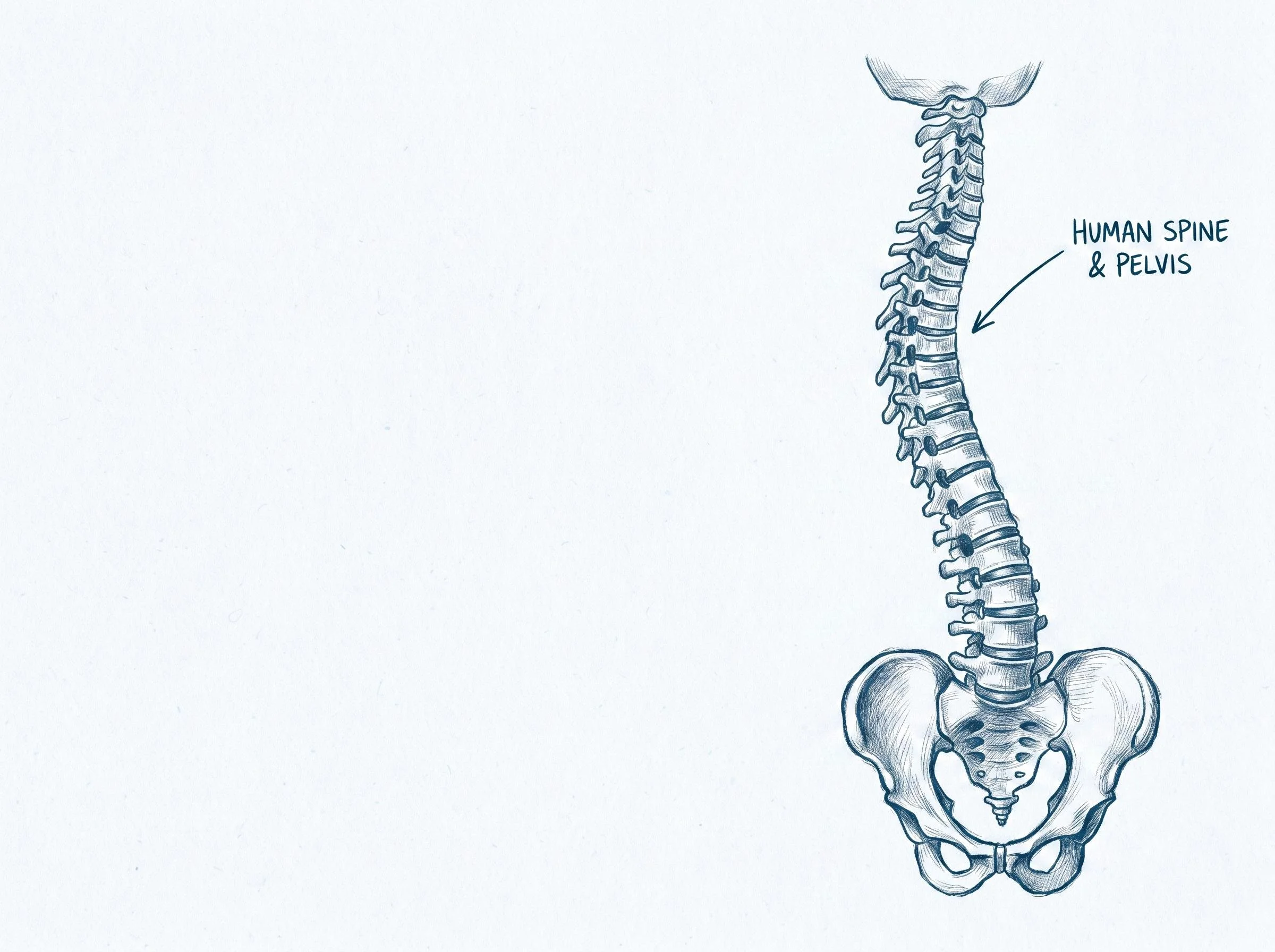
What Is Chiropractic?
Chiropractic is a healthcare approach that focuses on the spine, joints, and nervous system, using assessment and hands-on care (such as mobilisation/adjustments) to help reduce pain, improve mobility, and support better everyday movement.
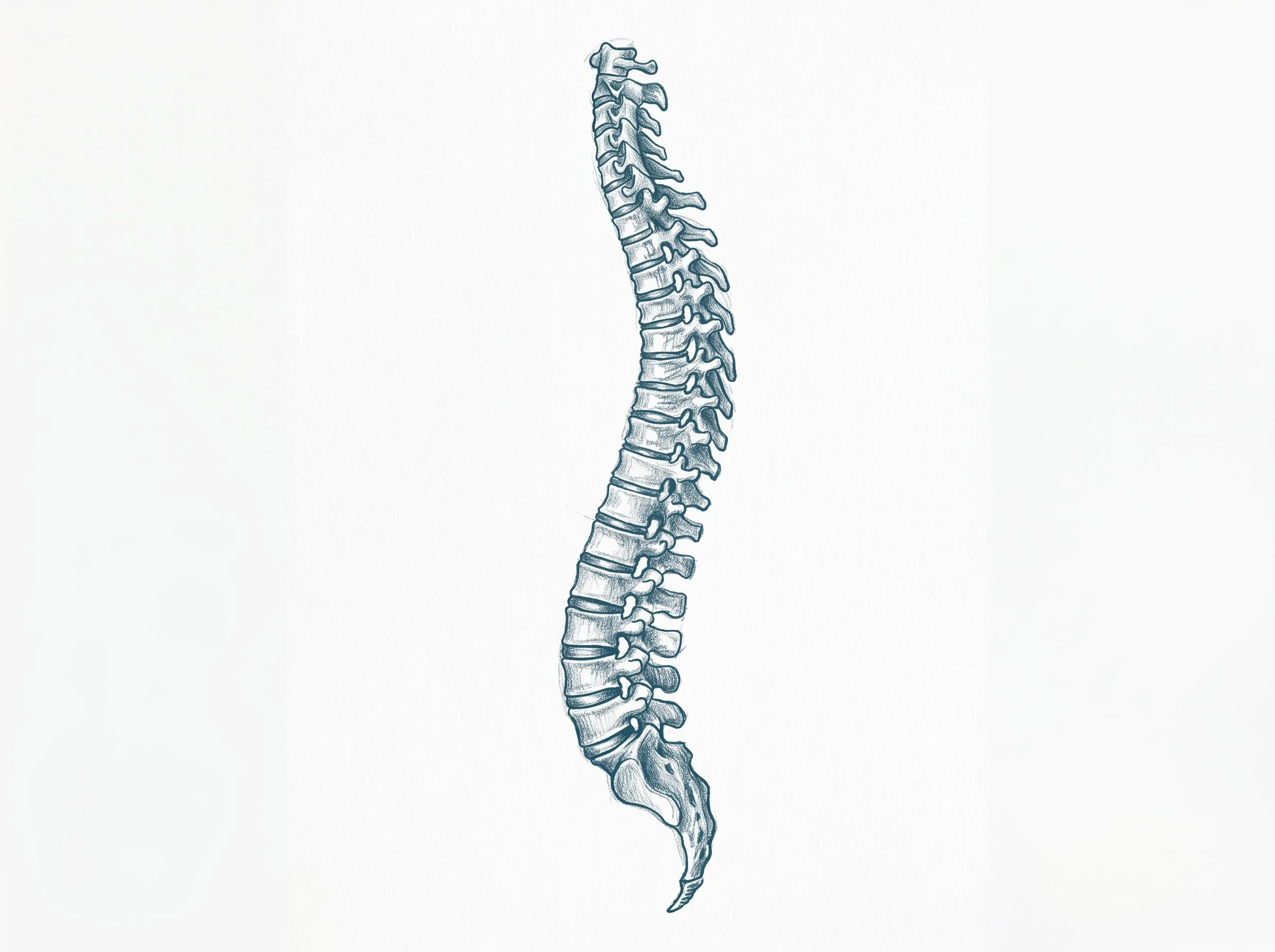
Treatment
Care is selected based on your assessment findings and individual needs. Where appropriate, treatment may include one or more of the following.
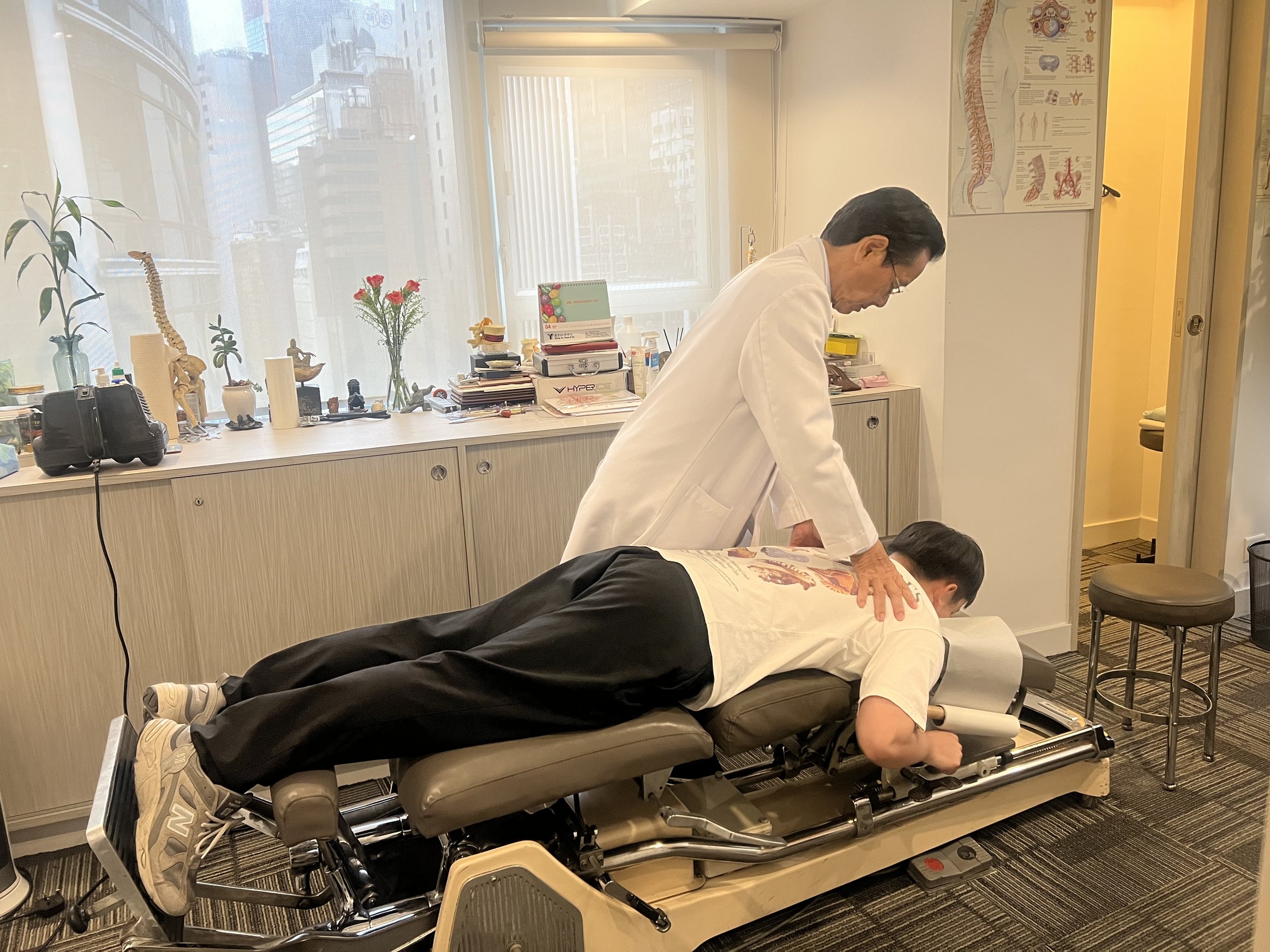
Chiropractic care
-
Chiropractic care focuses on assessing and managing musculoskeletal and the nervous system, often involving the spine and joints. Care is tailored to your presentation and examination findings.
-
Our approach aims to restore structural integrity and improve functional mobility. Rather than just masking symptoms with medication, we prioritises conservative, hands-on treatment options.
It may help improve joint mobility, reduce discomfort related to mechanical or postural strain, and reduce muscle spasm and downregulates Inflammation.
-
Back pain, neck pain, stiffness or restricted movement, posture-related discomfort, desk-related symptoms, and some headache patterns linked to neck or postural factors (where appropriate).
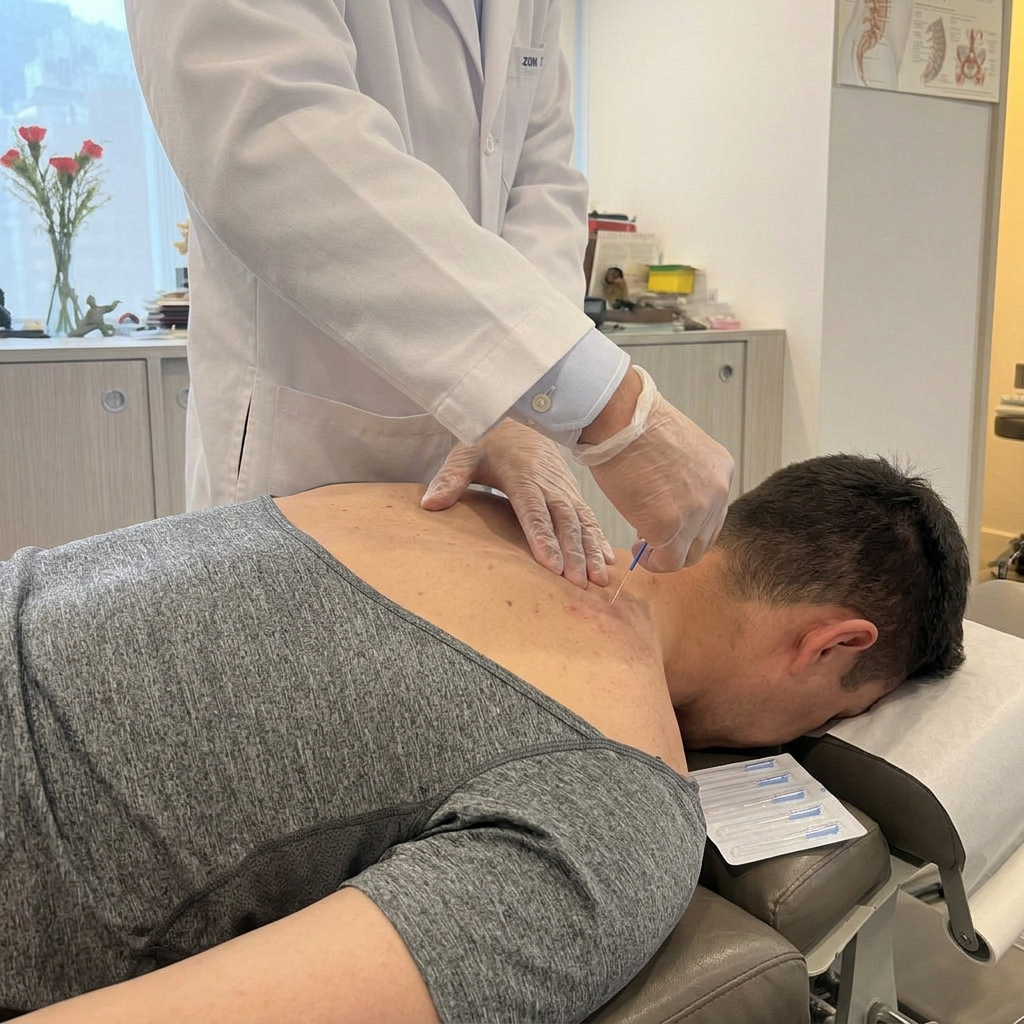
Western dry needling
-
Dry needling is a technique used to address myofascial trigger points (tight, sensitive points within muscle). It is considered after assessment and used selectively.
-
It may help reduce local muscle tightness and referred pain patterns, and can be used alongside exercise and manual therapy as part of a broader plan.
-
Persistent muscle tightness, trigger point pain, neck/shoulder tension, certain low back or hip muscle presentations, and some sports-related muscle complaints.
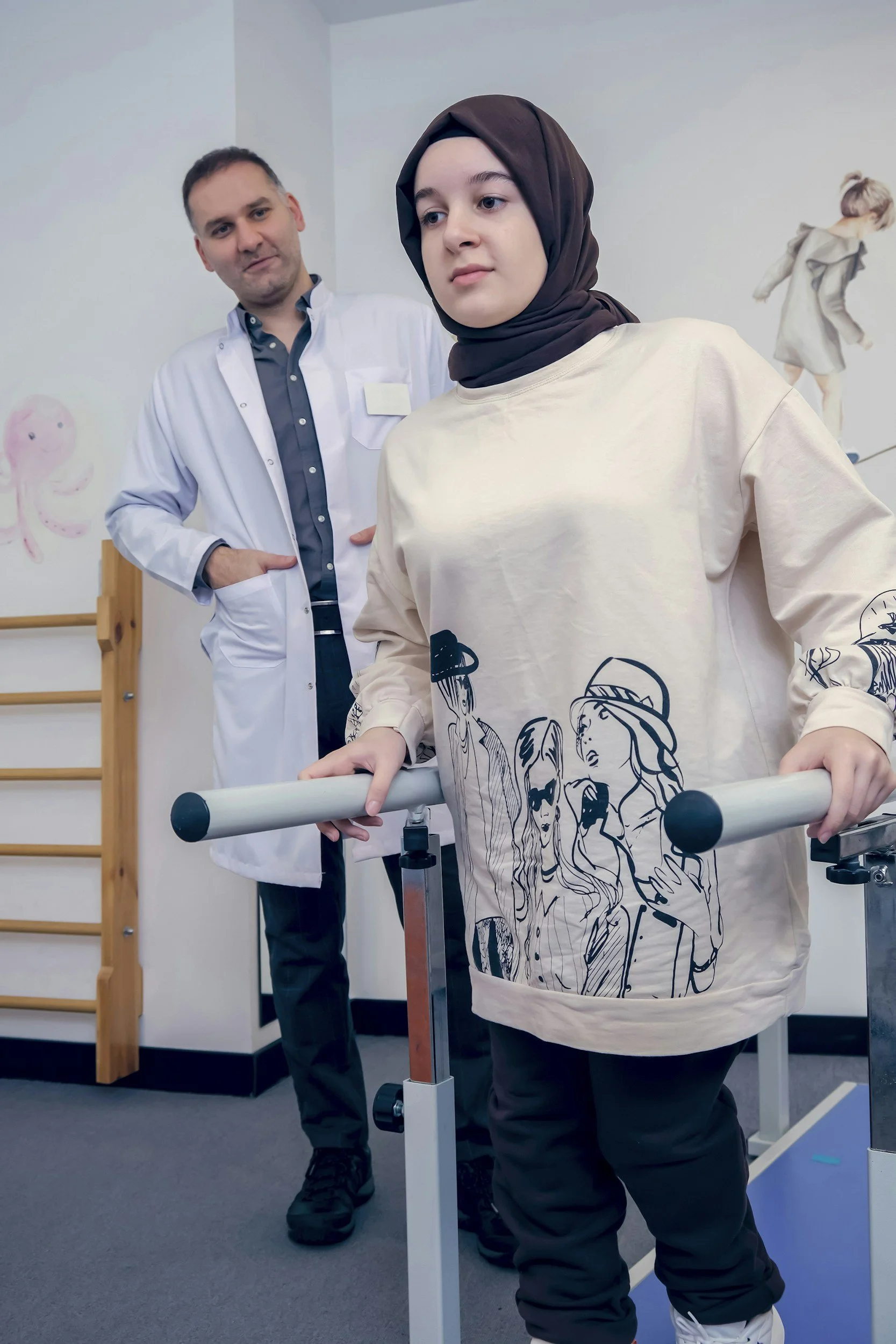
Schroth scoliosis training
-
Schroth is a scoliosis-specific exercise approach that uses posture awareness, rotational angular breathing technique, and 3D correction movements. Sessions are individualised based on the curve pattern and goals.
-
It may help restores muscular symmetry, reduces joint wear and degenerative, enhances rib cage and respiratory mobility, neuromuscular control and proprioception. It also may help to improve postural control, prevent progression of Cobb’s Angle It can be used alongside other rehabilitation strategies.
-
Adolescent Idiopathic Scoliosis (AIS): The primary and most researched application, utilised during growth spurts to minimise the Cobb angle and reduce the need for surgical fusion.
Adult Degenerative Scoliosis: Tailored to mature spines to manage structural changes, stabilise asymmetric load distribution, and relieve localised nerve compression.Pre- and Post-Surgical Support: Aids in core preparation prior to spinal fusion or helps patients safely rebuild biomechanical tracking post-surgery.
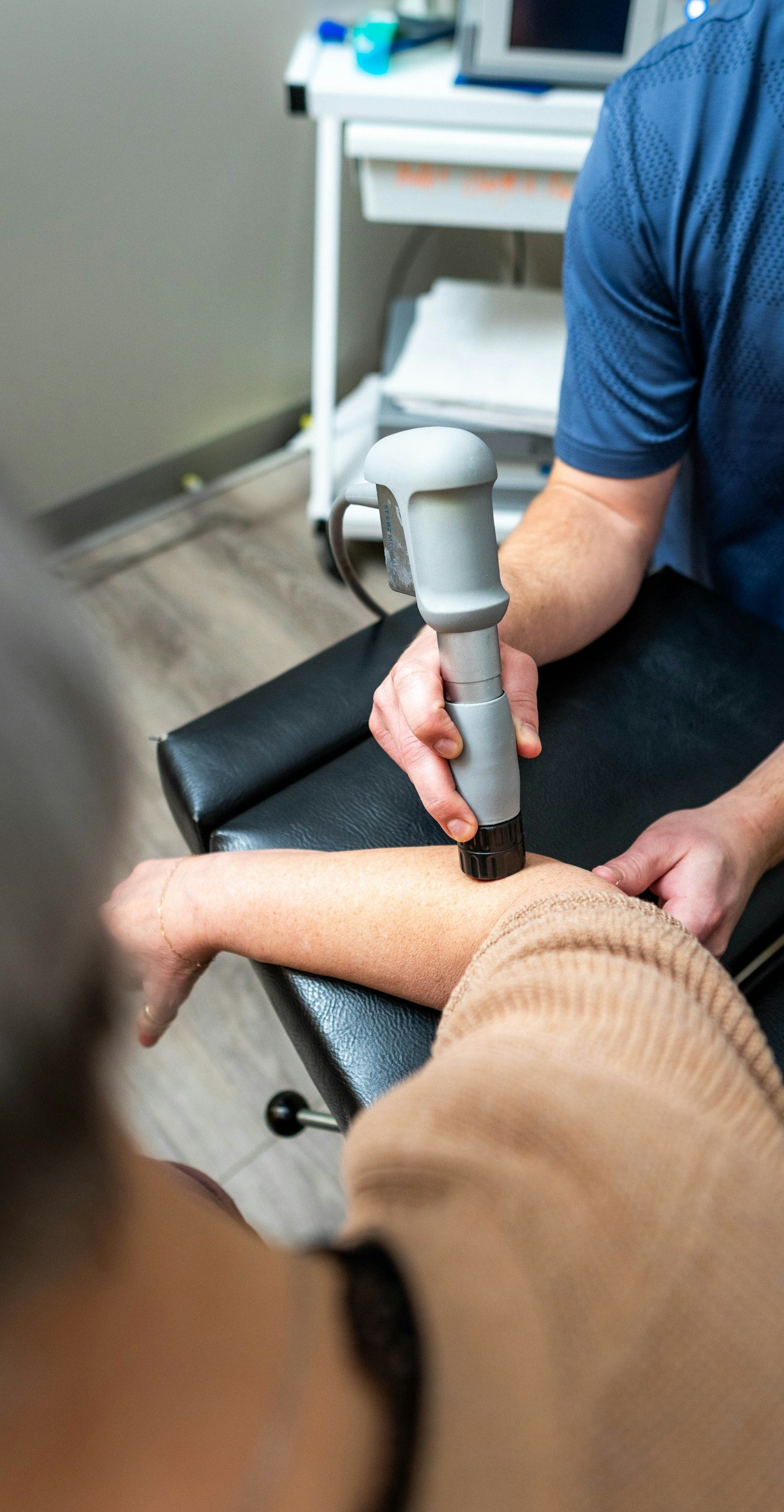
Shockwave therapy
-
Shockwave therapy delivers high-energy acoustic sound waves through the skin to injured musculoskeletal (MSK) tissues to reduce pain and accelerate natural healing.
-
It helps by passing acoustic waves into the target tissue using a conductive ultrasound gel, it initiates a cellular process known as mechanotransduction. This is the process where cells convert physical mechanical stress into vital biochemical healing signals.
-
Certain tendon-related symptoms (depending on assessment), such as heel/foot pain (e.g. Plantar Fasciitis), elbow tendon pain (e.g. Tennis/Golfer’s Elbow), some shoulder tendon presentations (e.g. Frozen shoulder), and other persistent soft-tissue complaints.
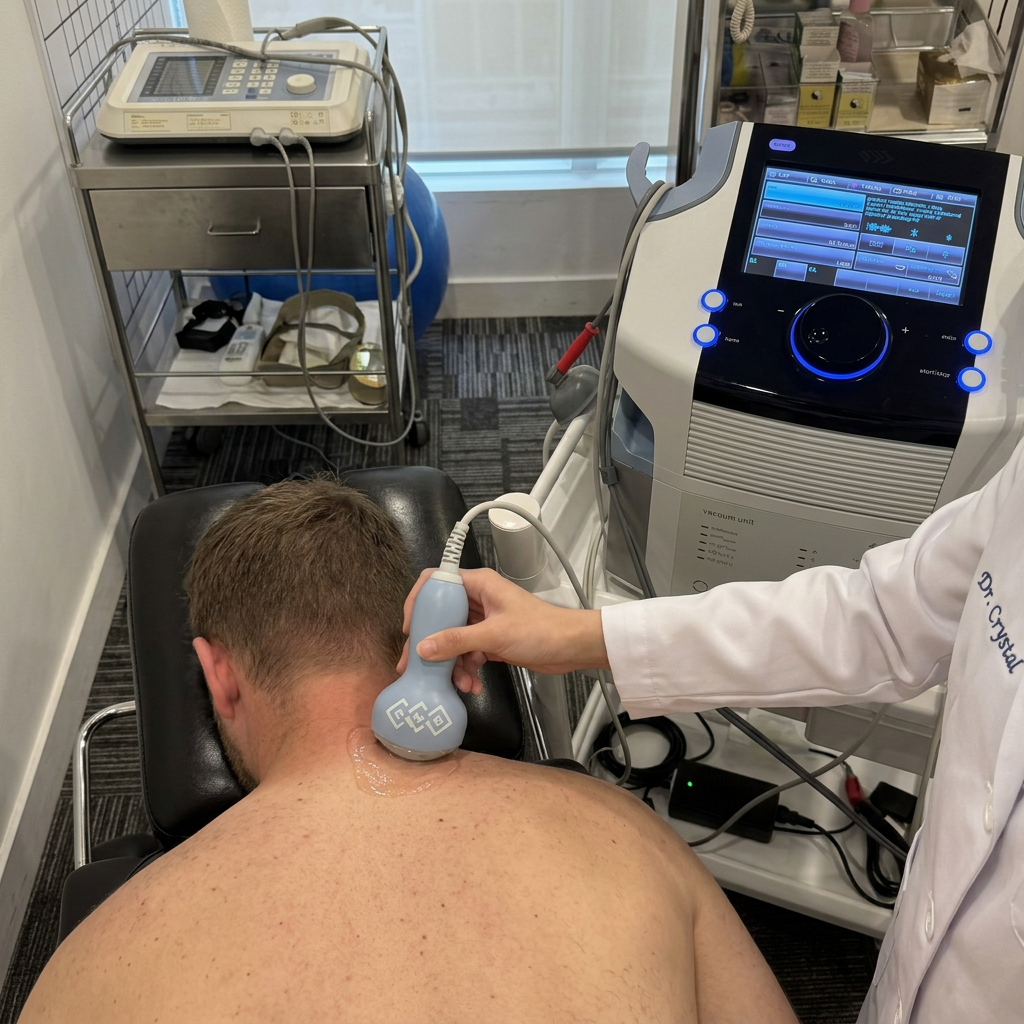
Ultrasound therapy
-
Therapeutic ultrasound is a modality that may be used as an adjunct in managing certain soft tissue presentations.
-
It may support short-term symptom relief and be used alongside manual therapy and exercise, depending on the stage and nature of the condition.
-
Soft tissue irritation, muscle strains, localised tenderness, and rehabilitation support where a clinician considers ultrasound appropriate.
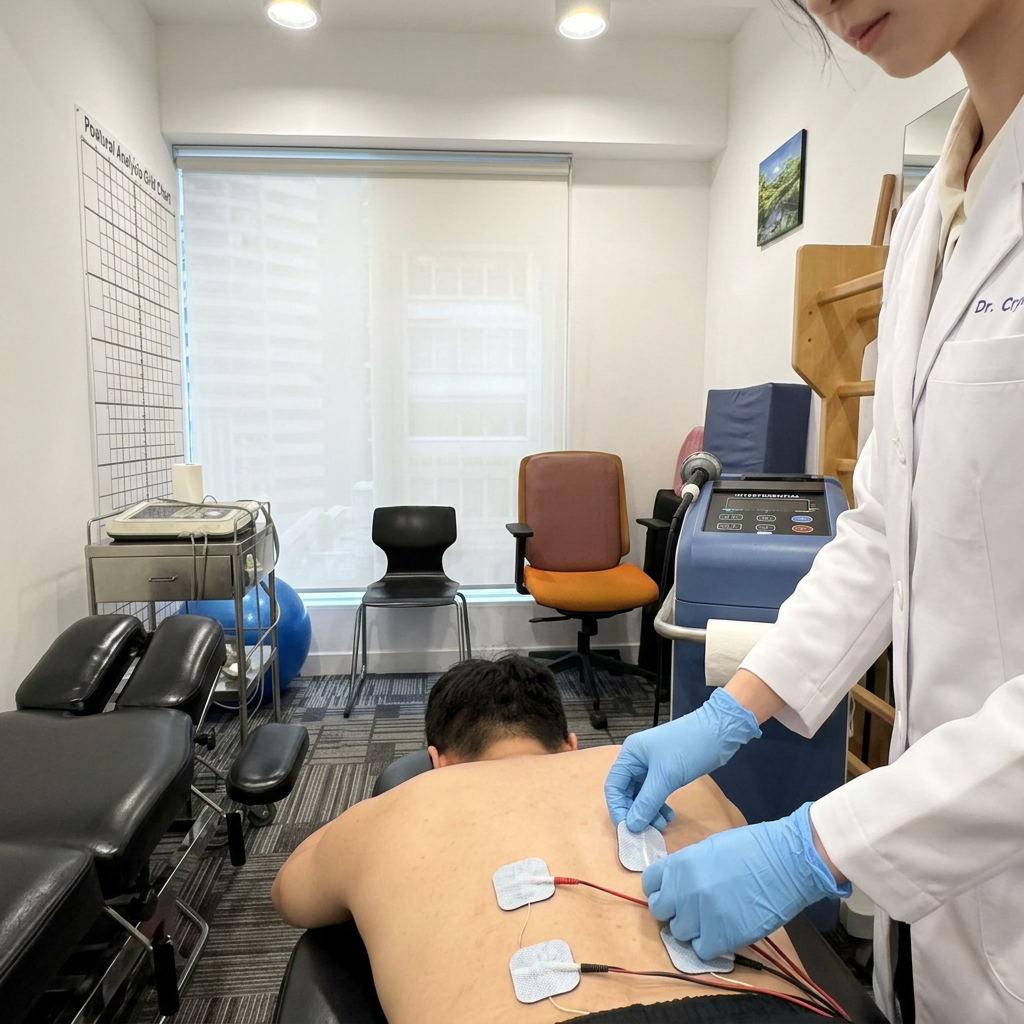
Interferential current therapy
-
IFC is an electrotherapy modality used in some cases for pain management. It is generally part of a broader care plan rather than a standalone treatment.
-
It may help reduce pain and muscle guarding, which can make movement and rehabilitation exercises more comfortable.
-
Acute flare-ups or higher-pain phases involving the back, neck, or other joints/muscles where pain modulation is a short-term goal.
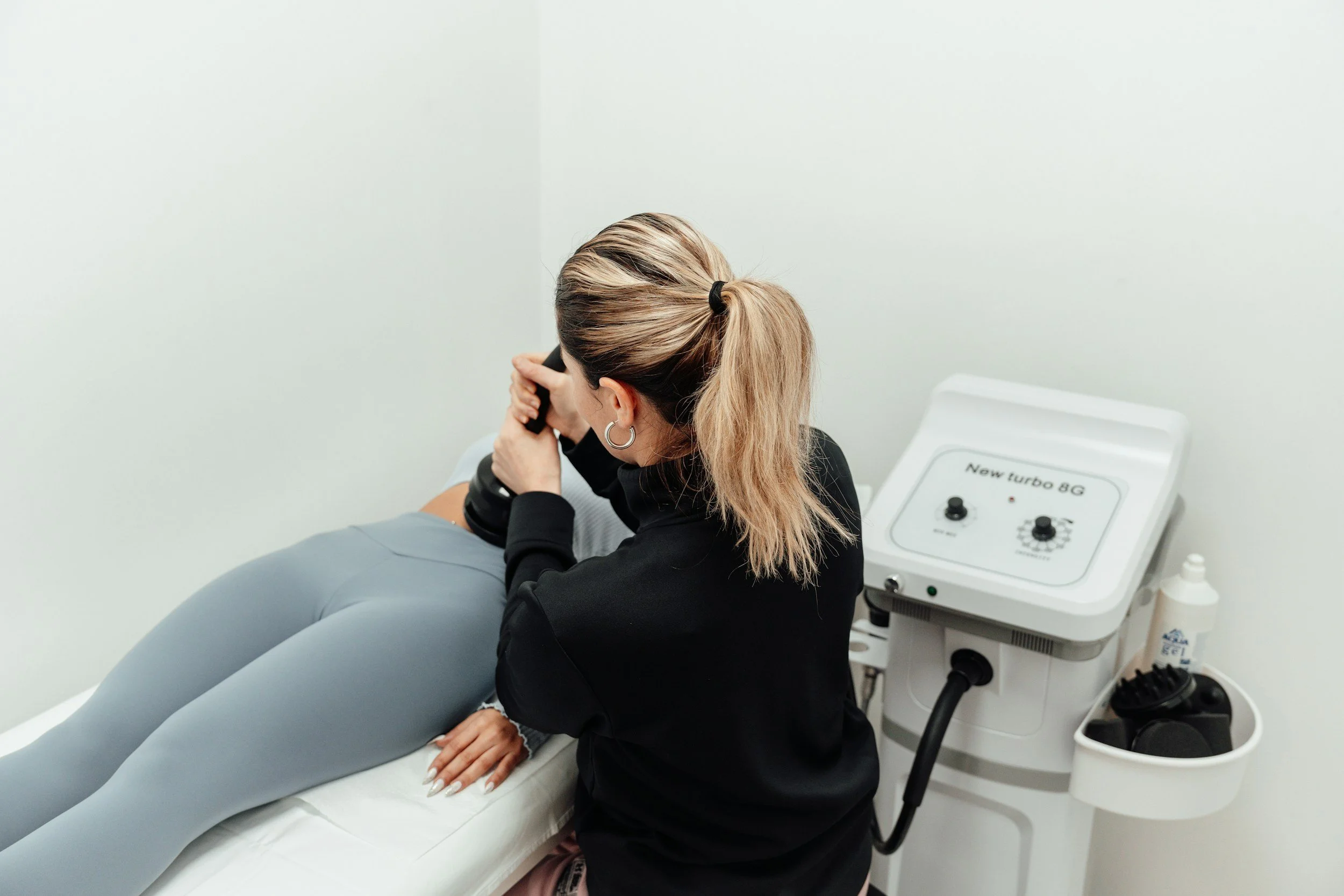
Electromagnetic Therapy
-
A non-invasive treatment that uses electromagnetic fields to modify cellular activity, reduce pain, and stimulate tissue healing.
-
It helps by stimulating cellular repair, reducing deep tissue inflammation, and blocking pain signaling pathways. Because bones, muscles, and cartilage are highly responsive to electrical charges, applying a dynamic magnetic field directly alters how these damaged tissues heal.
-
Primarily accelerates bone healing, relieves osteoarthritis and chronic joint pain, and repairs muscle, tendon, and soft-tissue injuries.
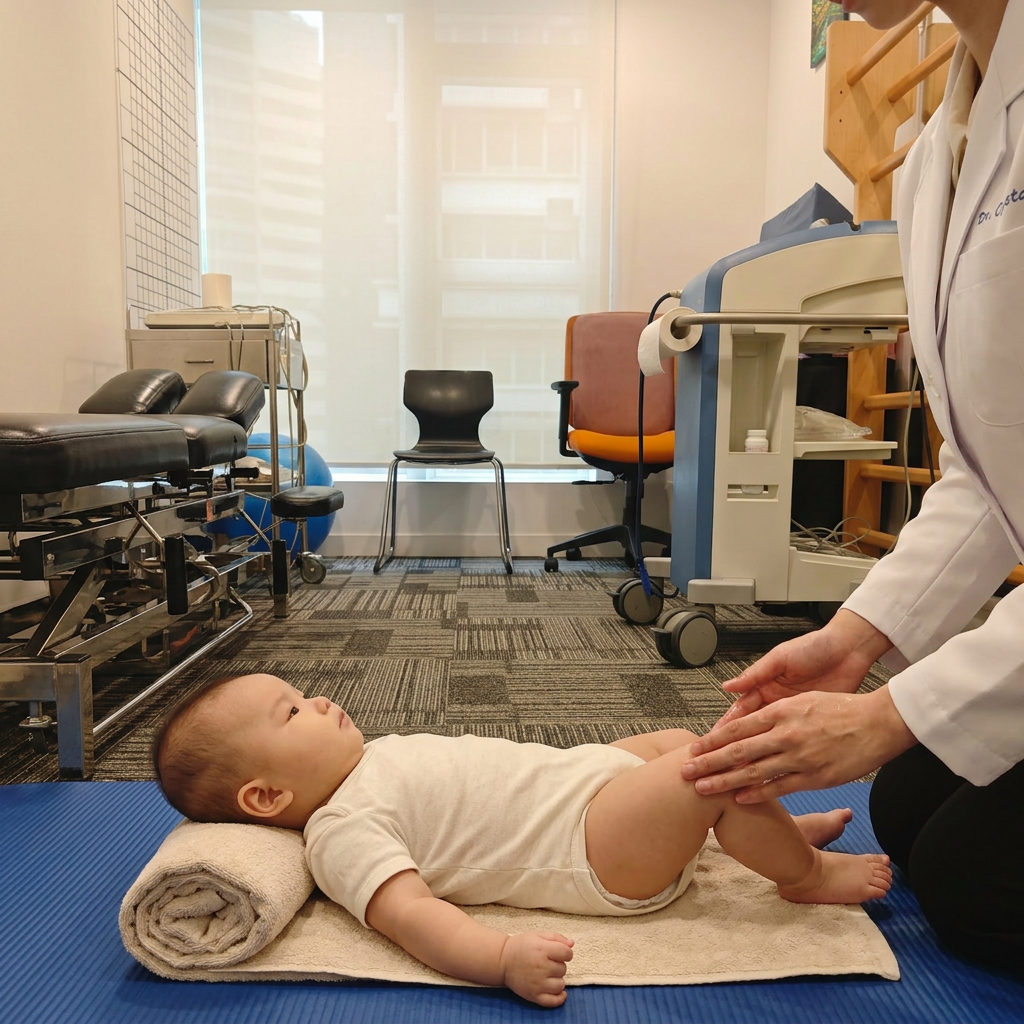
Baby massage (group / private class)
-
Baby massage sessions or classes provide parents and caregivers with guidance on safe, gentle massage techniques and handling.
-
It may support bonding and help caregivers learn practical comfort techniques that can be used as part of a daily routine.
-
Parent/caregiver education, confidence with handling, and learning gentle comfort massage techniques (not a substitute for medical assessment for infant health concerns).
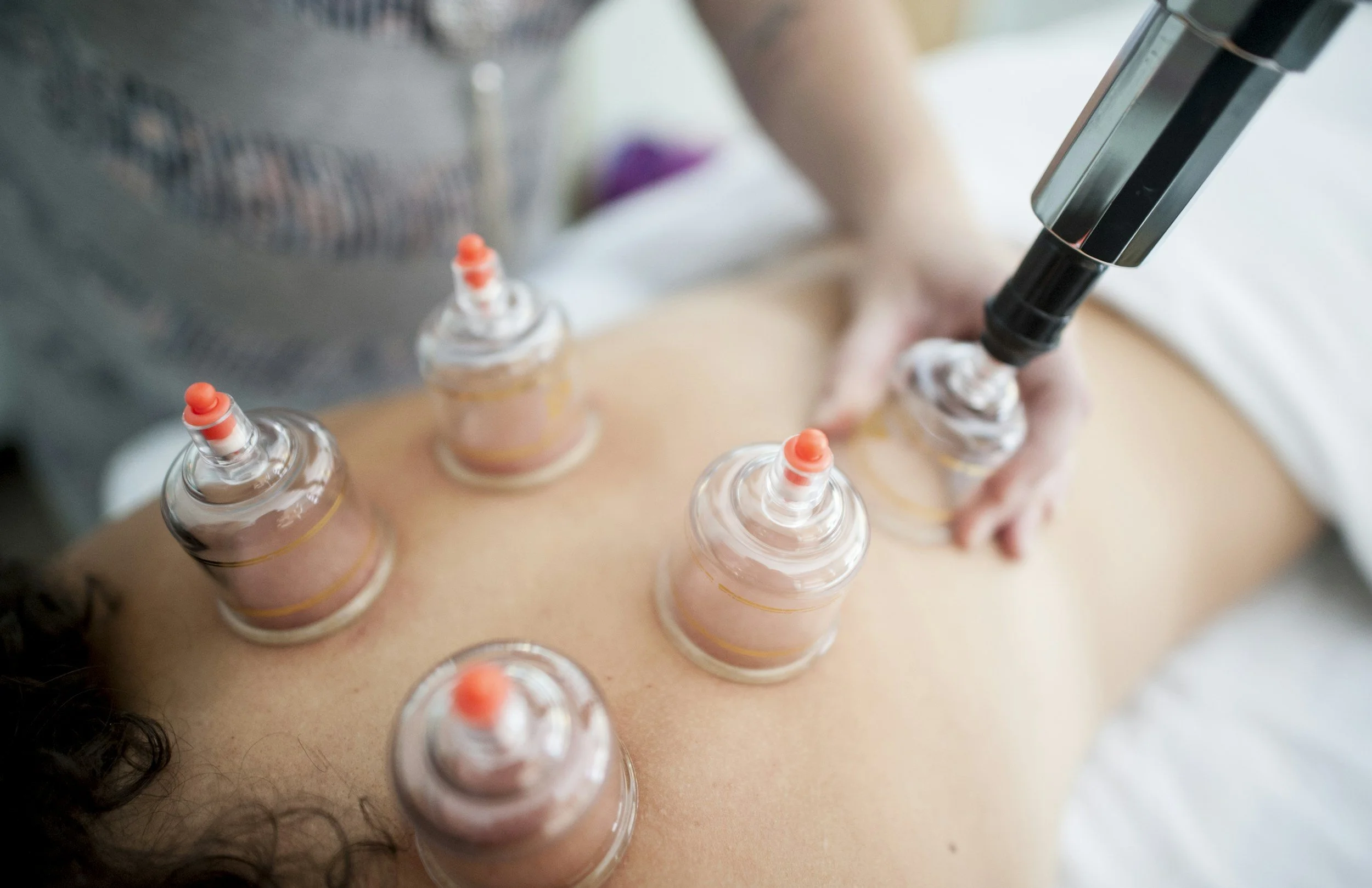
Fascial release therapy
-
Fascial release therapy is a form of soft tissue work aimed at areas of muscle and fascial tightness that may contribute to pain or movement restriction.
-
It may help reduce muscle tension, improve flexibility, and support mobility when soft-tissue restriction is contributing to symptoms.
-
Neck and shoulder tension, back tightness, hip and gluteal tightness, reduced range of motion, and soft-tissue restriction related to sport or activity.
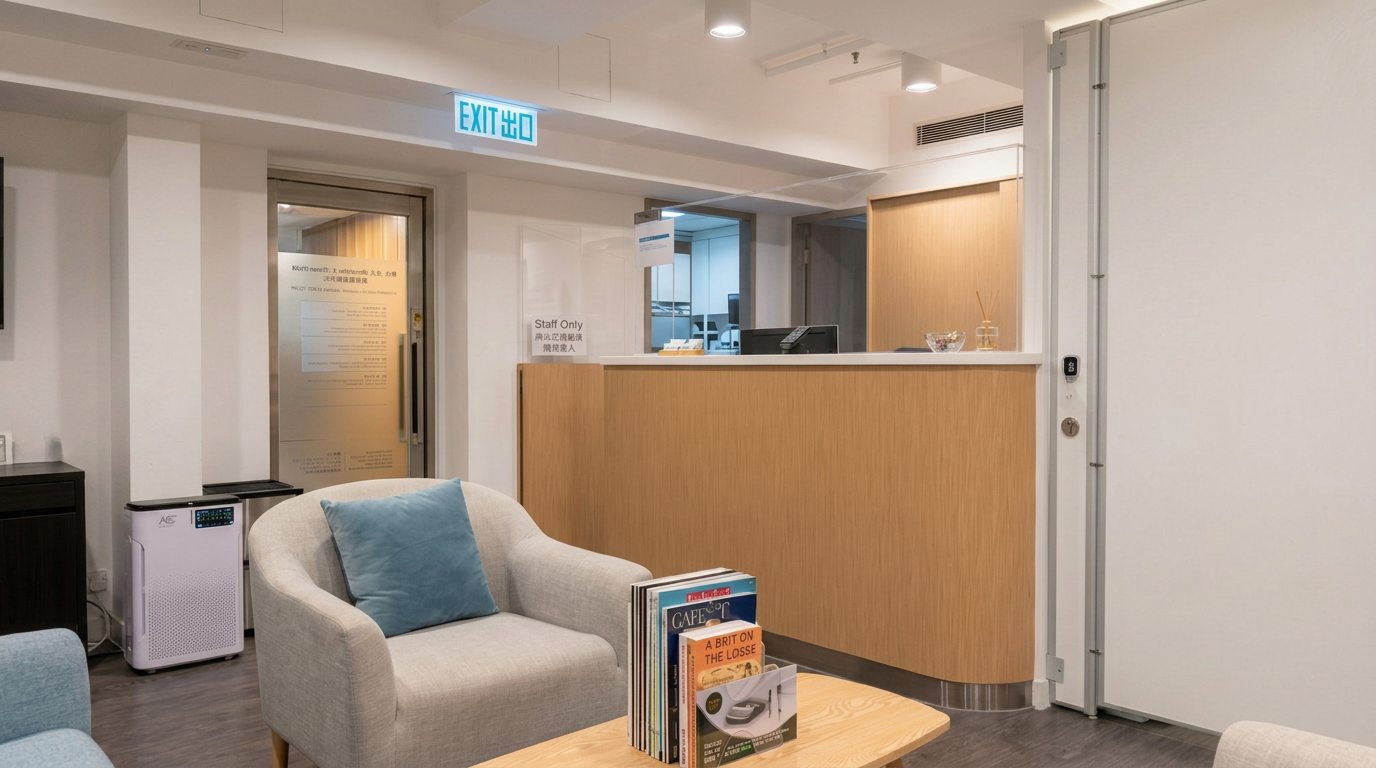

About us
Drs. B. S. Vaughan & Associates is a chiropractic clinic established in Hong Kong in 1966, with over 55 years of history in the city—one of the longer-established chiropractic clinics in the city. Founded by Dr. Bruce Sinclair Vaughan (DC, USA), the clinic provides assessment-led chiropractic care for musculoskeletal concerns.
Consult in Cantonese, English & Mandarin
Located in Central, Hong Kong

Four HK registered chiropractors
55+
Years Of Exp.
Meet the Chiropractors
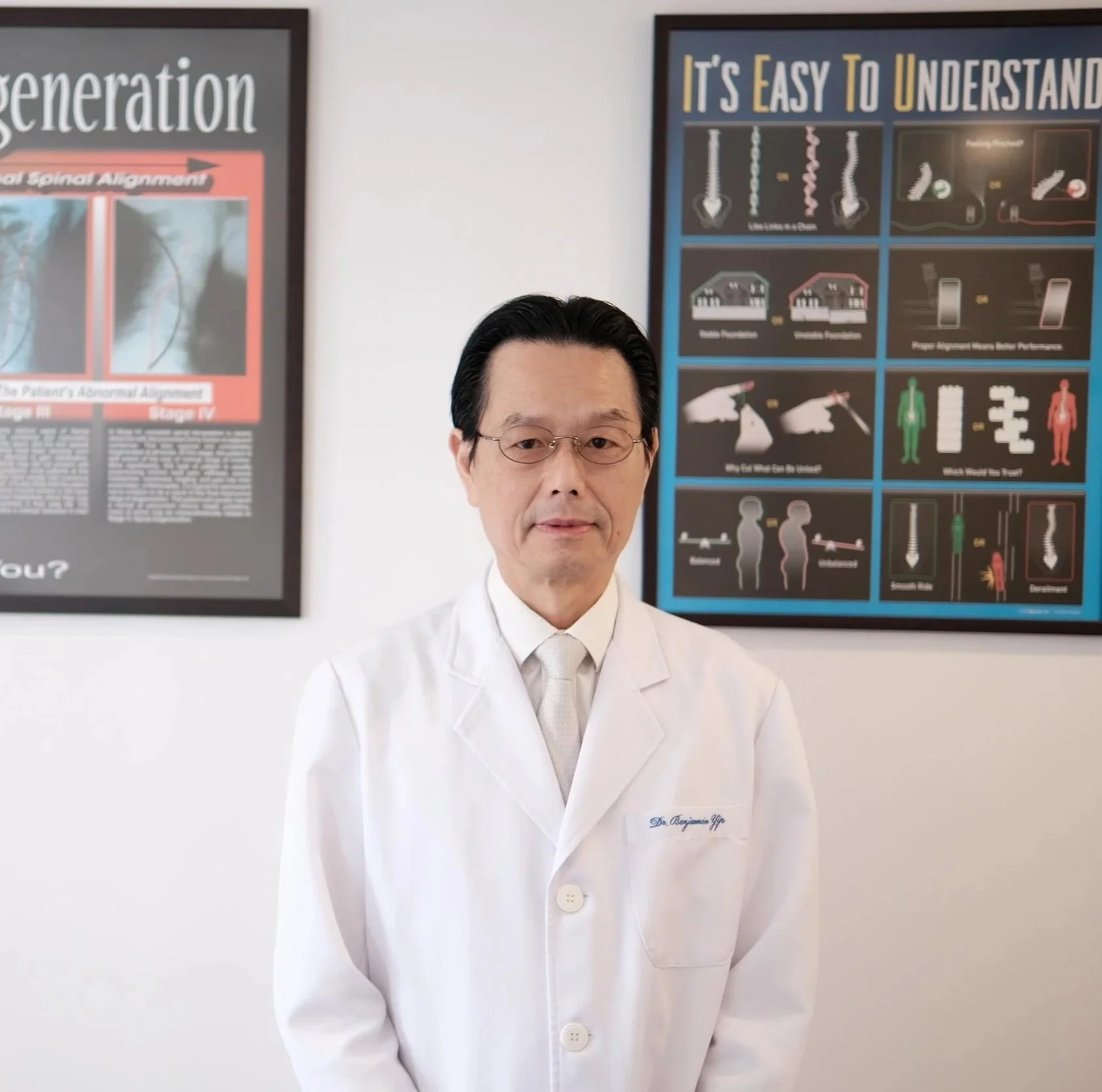
Dr. Benjamin Yip, D.C.
Registered Chiropractor (HK)
Partner at the clinic. Dr. Yip joined the clinic in 1977 after qualifying in the UK (Anglo-European Chiropractic College).
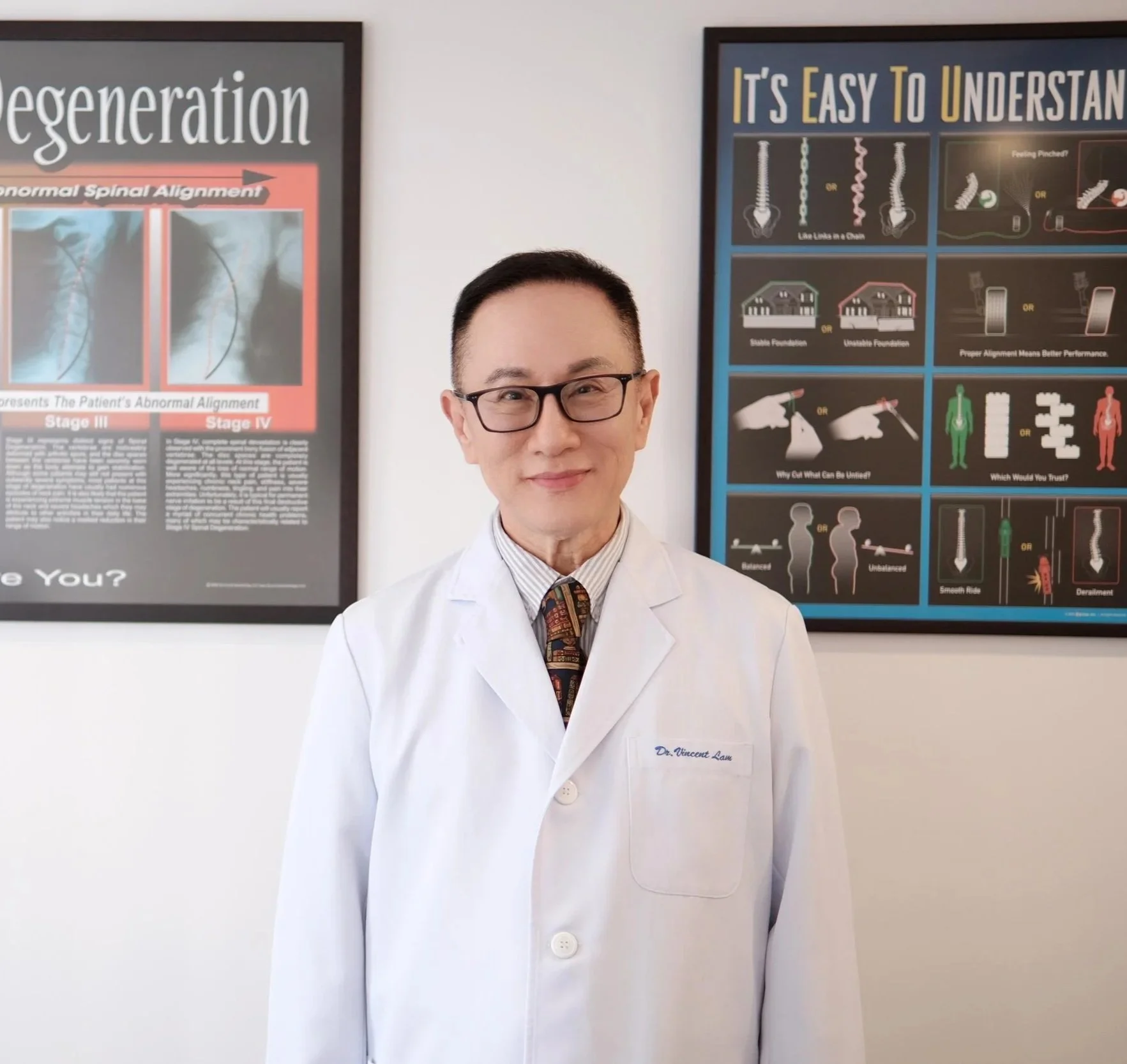
Dr. Vincent Lam, D.C.
Registered Chiropractor (HK)
Partner at the clinic. Dr. Lam qualified in Canada (Canadian Memorial Chiropractic College) and joined the practice in 1984.
Four registered chiropractors in Hong Kong, with consultations in Cantonese, English, and Mandarin.
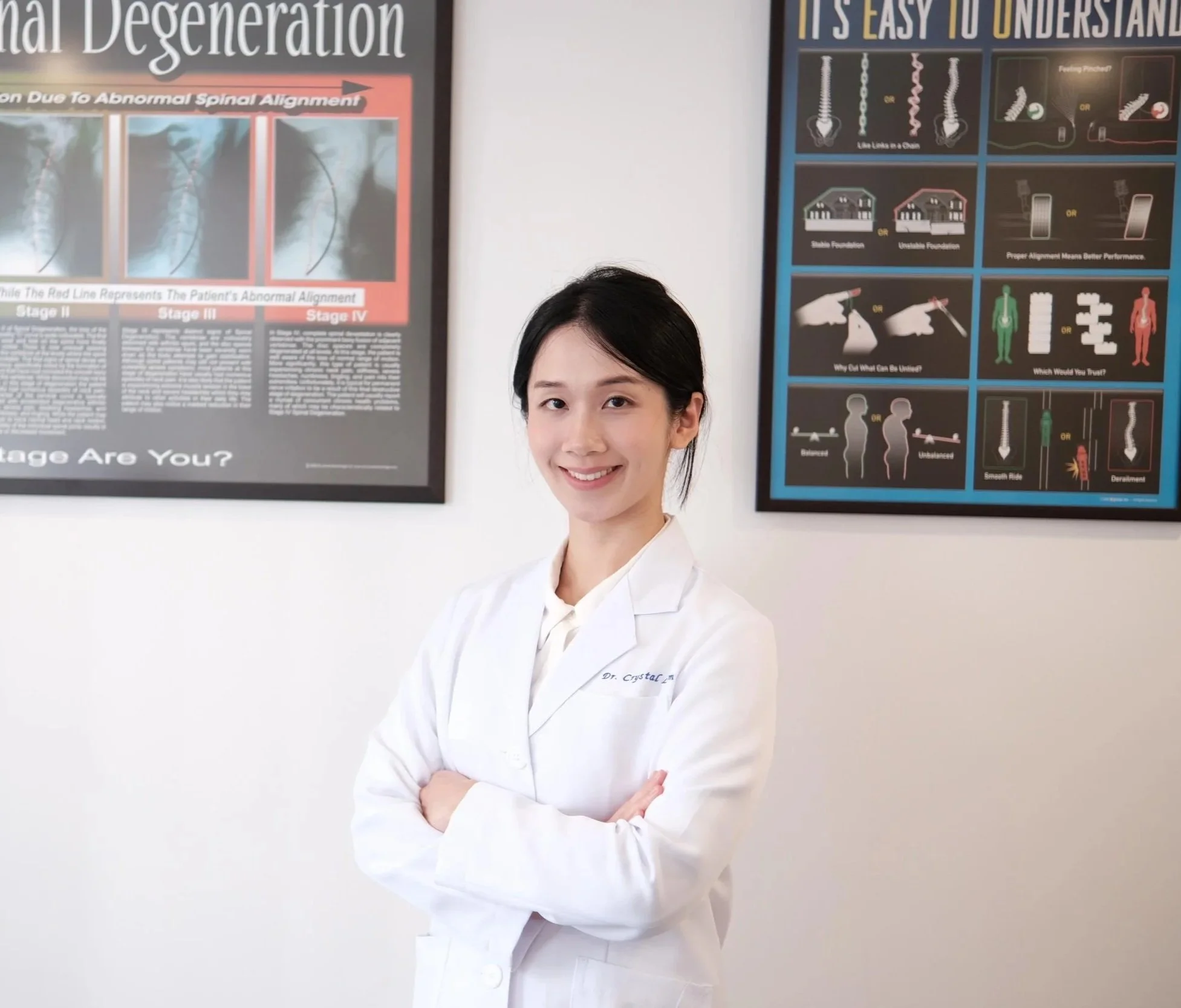
Dr. Crystal Lam, MChiro
Registered Chiropractor (HK, UK)
Qualified in the UK. Honorary advisor of the Children Chiropractic Foundation. Internationally certified Schroth practitioner.
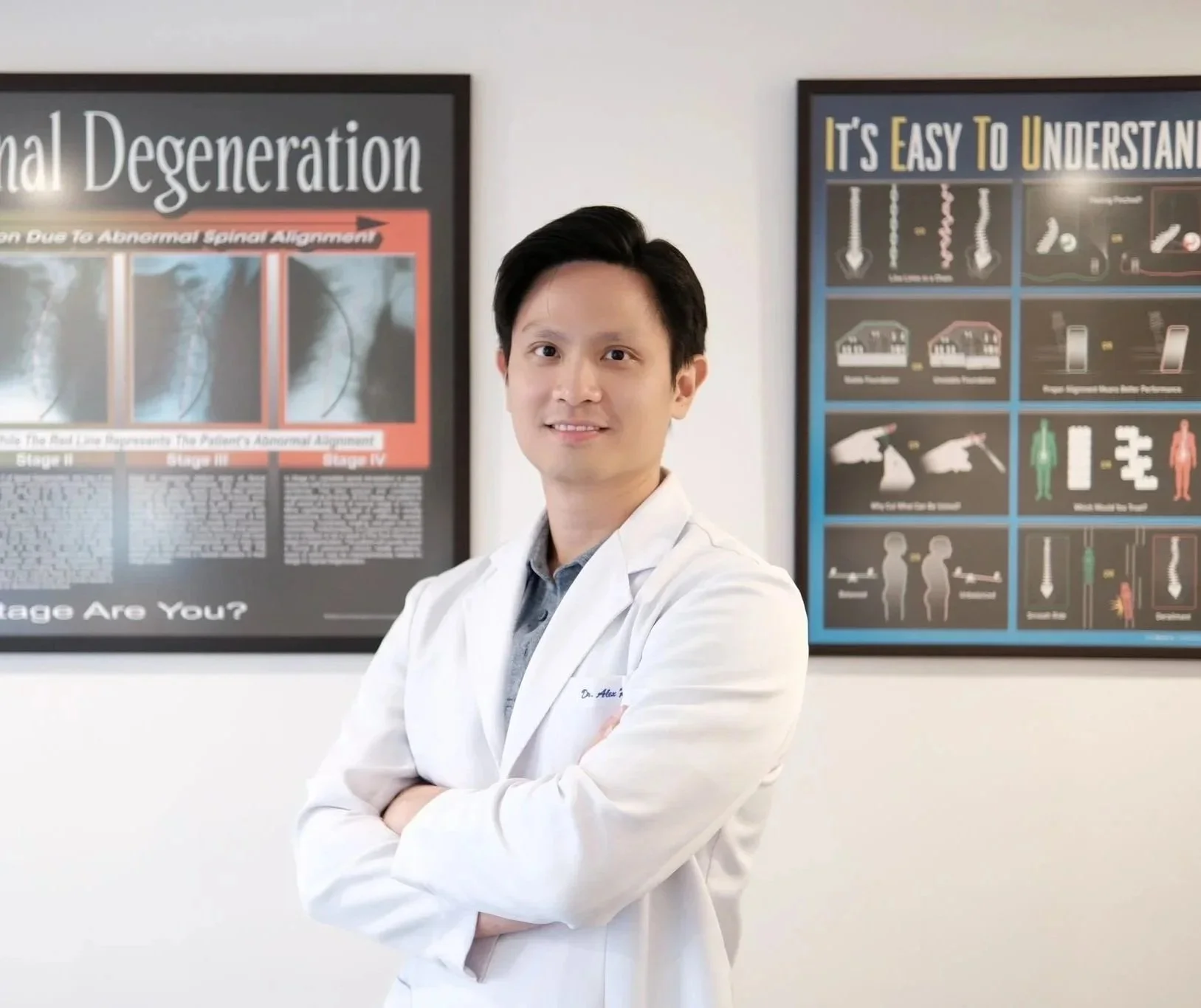
Dr. Alex Pak, B.ChiroSc, M.Chiro
Registered Chiropractor (HK, AUS)
Qualified in Australia at Macquarie University (Sydney). Member of the Hong Kong Chiropractors’ Association.
Book An Appointment

Clinic Address: 14/F, Lee Kum Kee Central, 54-58 Des Voeux Road Central, Hong Kong

Phone: +852 2522 7998
WhatsApp: +852 6687 8369
Email: info@bsvchiro.com
Latest Articles
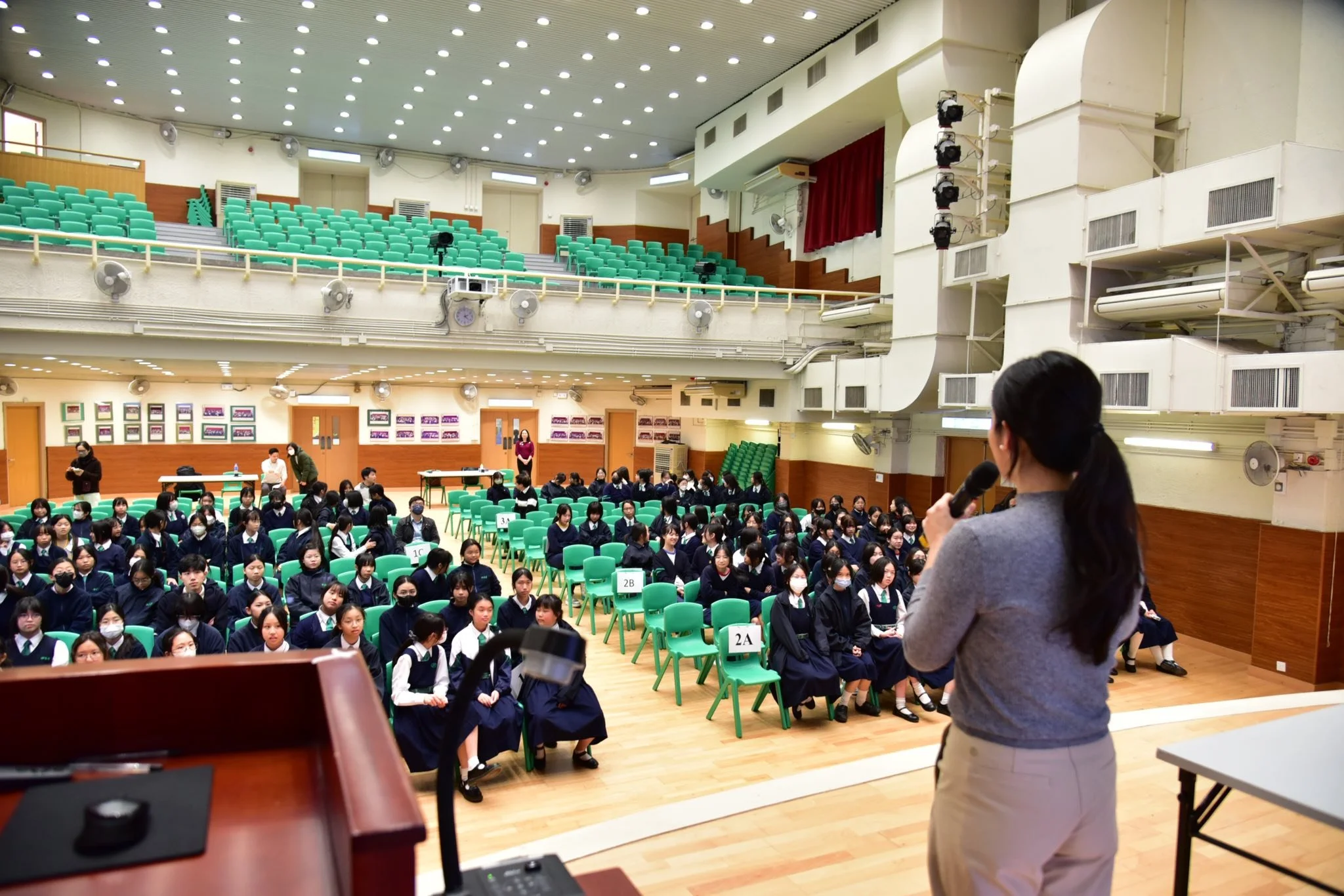
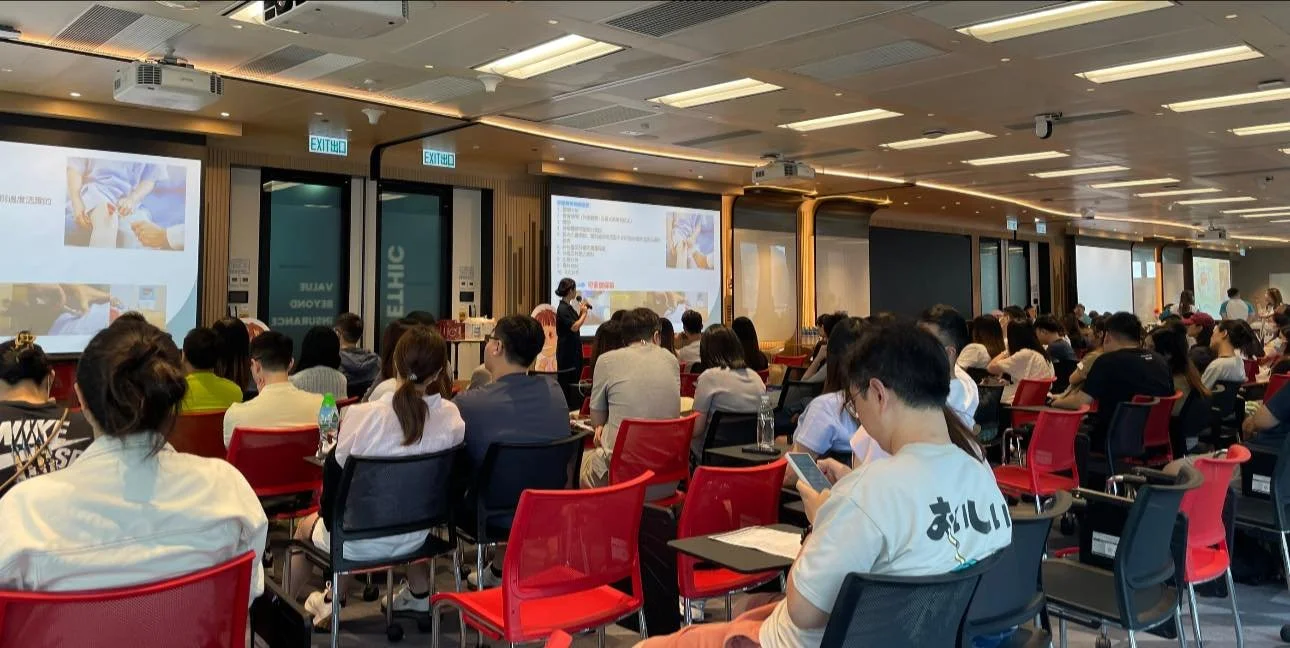
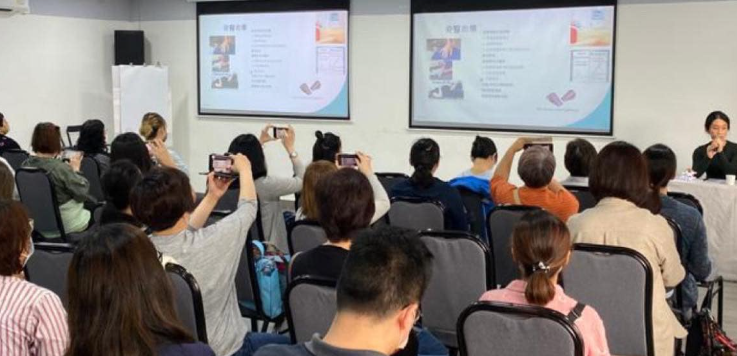
Practical guides and clinic updates—articles, events, and community involvement from our team.
Frequently Asked Questions
-
No. You can book directly. If you need to claim insurance and your policy require a GP referral letter, we will arrange that for you.
-
Your chiropractor will take a history, assess your symptoms and movement, explain the findings, and discuss a care plan. If chiropractic care isn’t appropriate, we’ll advise next steps or referral options.
-
We assess both new and ongoing musculoskeletal concerns. If you have severe pain, new weakness/numbness, fever, unexplained weight loss, or bowel/bladder changes, seek urgent medical care first.
-
Yes. We offer scoliosis support, including evidence-based Schroth scoliosis training (after assessment), and we can discuss when bracing referral or co-management may be appropriate.
-
Consultations are available in Cantonese, English, and Mandarin.
-
It depends on the condition, duration, and your goals. After the first visit, we’ll outline a recommended plan and review progress along the way.
-
Chiropractic care is generally considered safe when provided by a registered practitioner after an appropriate assessment. Your chiropractor will explain suitable options for your situation and discuss risks and alternatives.
-
Yes. We see patients across different age groups, including babies, children and teenagers, using age-appropriate assessment and techniques. For scoliosis concerns, we can discuss monitoring and exercise-based programs after assessment.